

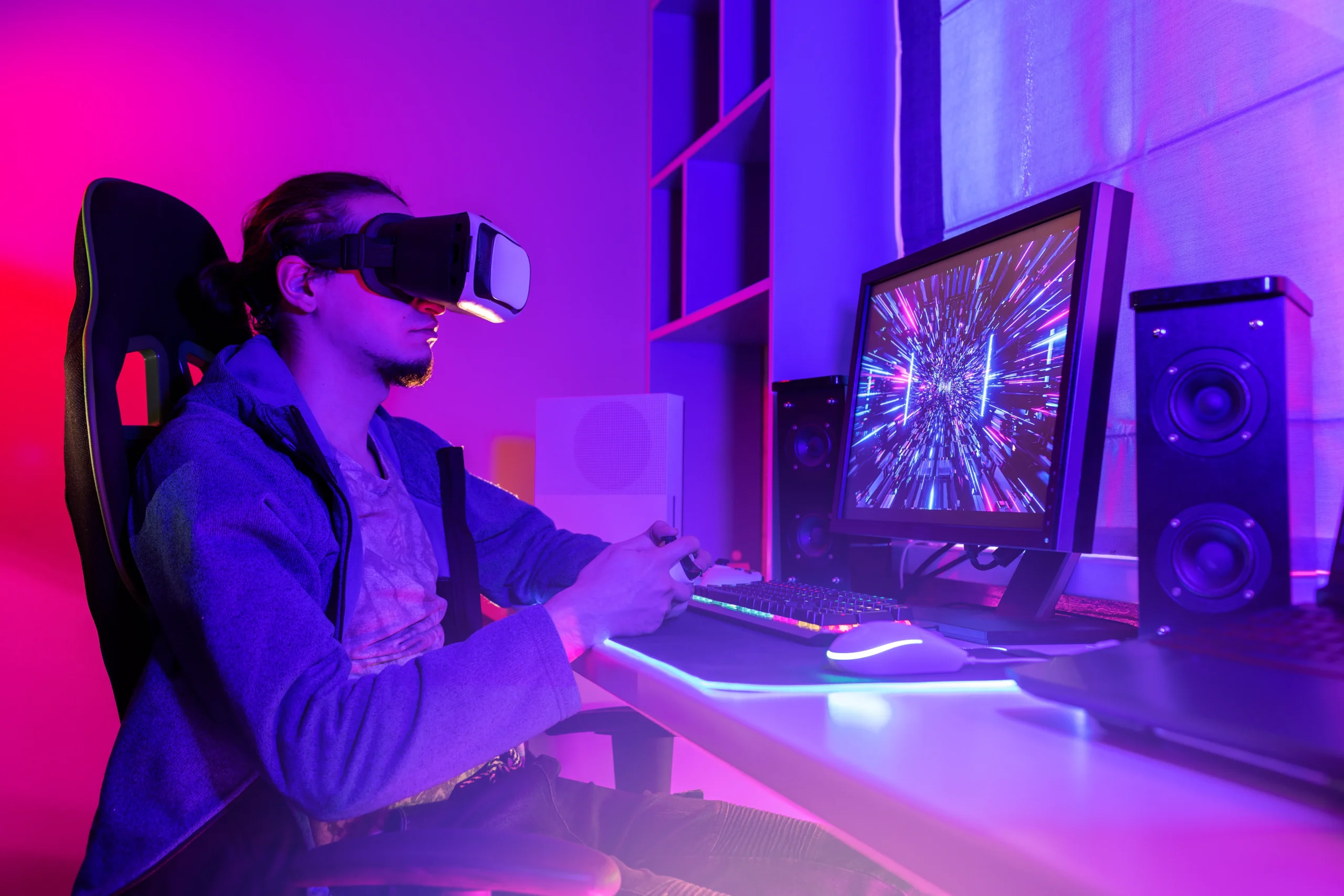
There are the Virtual Reality systems of various types that are supposed to meet certain user requirements and technical ability. The VR systems can be mainly classified into three, PC-based VR, console VR, and standalone VR systems. The knowledge of such types assists users to select the appropriate setup to their experience.
VR systems based on PC are said to be the most effective and immersive. These systems are linked to the high performance computers which process graphics and graphics rendering. Due to this they provide better images, believable worlds and intricate interactions. Nevertheless, they are costly and demand costly equipment and installation and are therefore not easily available to beginners. They are suitable to professional applications and high-end users.
The console VR systems are made to be compatible with the game consoles. These systems offer performance and cost. They are also simpler to install than PC VR and have an acceptable amount of games and experiences. They cannot be compared to the graphical quality of PC VR, but they provide a pleasing immersive experience to the vast majority of users.
The most convenient and easy to use are standalone VR systems. The devices do not contain a computer or a console and they possess built-in display and processors. The user only needs to wear the headset and begin playing with virtual worlds. Standalone VR is lightweight, cheap and ideal among the beginners. It can be limited in graphics and performance, however, with regard to other systems.
Every kind of VR systems has its benefits and constraints. PC VR provides the best quality experience, console VR is the medium of balance, and standalone VR is practical and easy to use. The option will be determined by the financial capability of the user, his/her technical expertise, and the purpose.
With the ever-changing technology, such systems are increasingly becoming more sophisticated and available.